
How to Vacuum Seal Bone-In Short Ribs for Sous Vide
From Vacuum Sealing to Sous Vide: How Chef Lamar Moore Protects Product, Reduces Waste and Improves Consistency
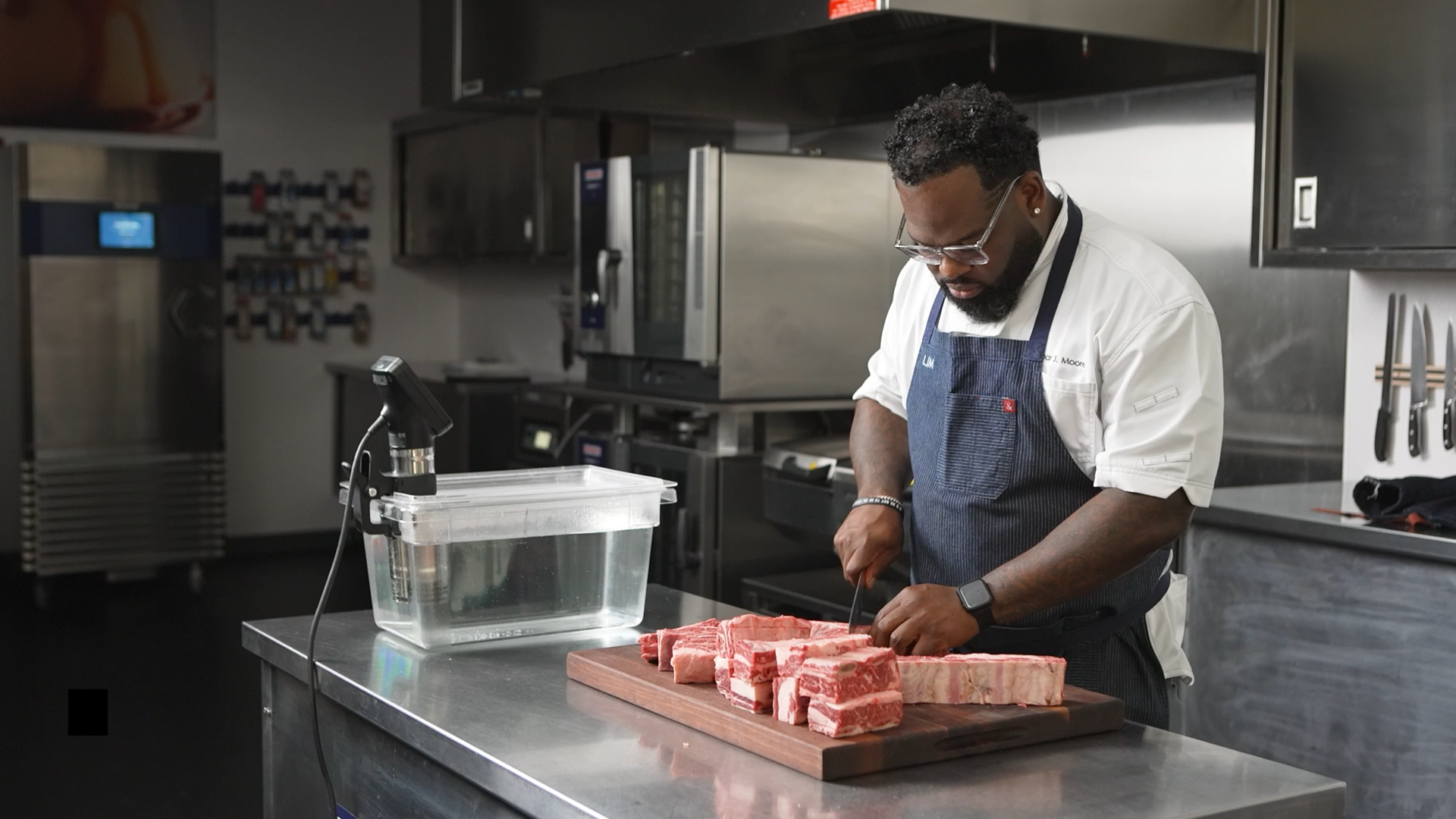
How Chef Lamar Moore Uses Vacuum Sealing for Bone-In Sous Vide Short Ribs
Sous vide cooking gives chefs precise control over temperature and texture, but preparing bone-in cuts presents a challenge: sharp bones can puncture vacuum bags, allowing liquid to escape and compromising the cooking process.
Chef Lamar Moore uses a combination of vacuum sealing, rapid chilling and precision cooking equipment to prepare bone-in short ribs in batches while maintaining consistency, reducing waste and making kitchen prep more efficient.
His workflow demonstrates how vacuum technology can support a larger kitchen strategy—one built around labor efficiency, recipe adherence and consistent results.
The Challenge of Vacuum Sealing Bone-In Meat
Bone-in short ribs offer rich flavor and an appealing presentation, but the bones can create problems during vacuum packaging. If a bone punctures the bag, cooking liquid can leak into the water bath, resulting in lost product and additional cleanup. Moore addresses this challenge with the Henkelman vacuum sealer’s Soft Air function, which helps protect the bag when sealing meat with exposed bones.
Soft Air controls the return of air to the chamber after vacuuming, helping reduce the risk of sudden pressure changes that can damage the bag. This allows chefs to vacuum seal delicate or irregular products more carefully. For kitchens preparing large quantities of bone-in meat, reducing bag failures can help protect product quality and minimize unnecessary waste.
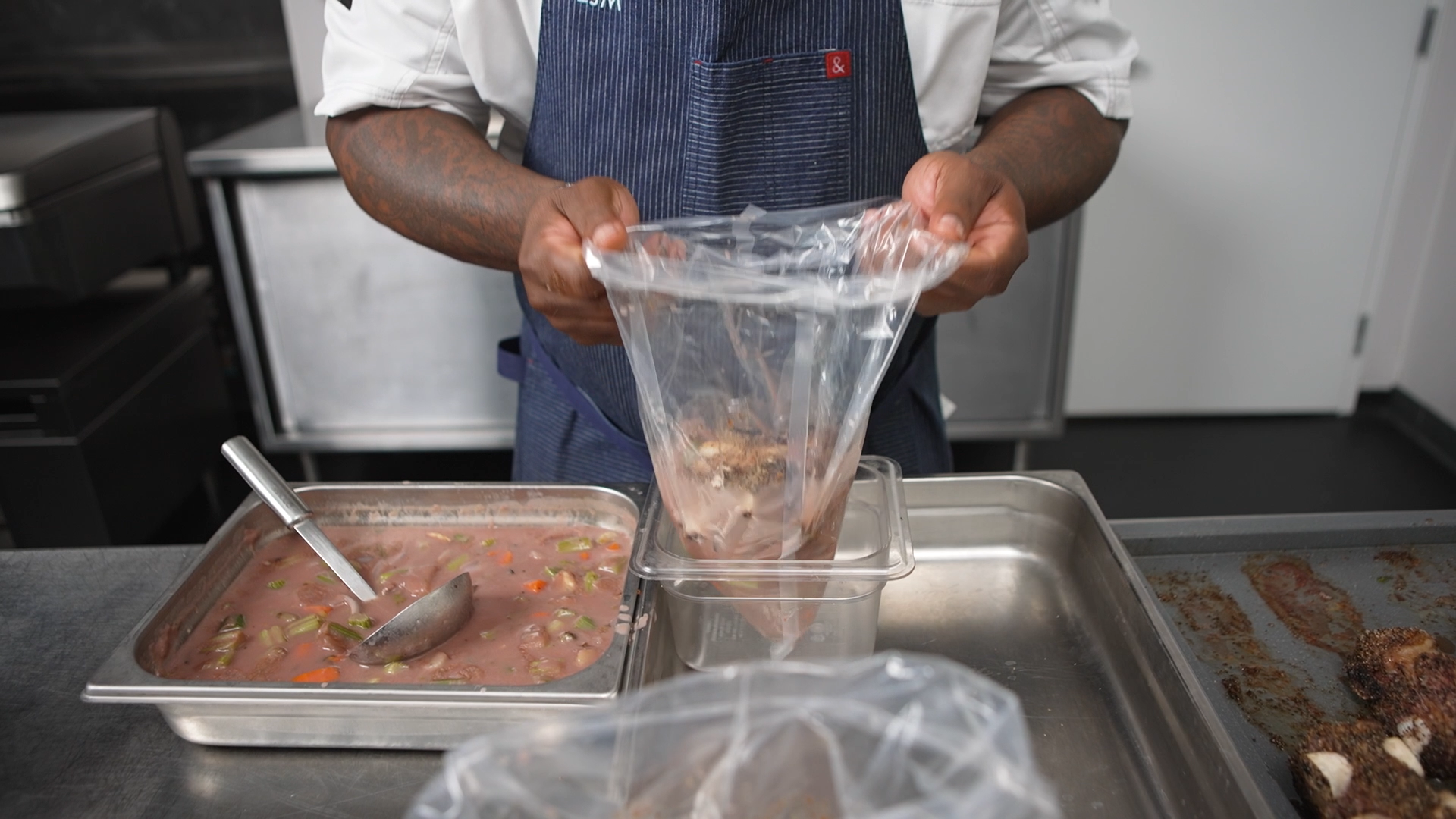
Step 1: Sear Short Ribs in Batches
Moore begins by using the Rational iCombi Pro to sear multiple trays of short ribs at once. Batch preparation helps kitchens make better use of equipment and staff time. Rather than preparing every portion individually, cooks can process larger quantities in a controlled workflow. Moore emphasizes that reliable equipment allows his team to execute the preparation consistently without requiring constant supervision. That means more time for other kitchen priorities while maintaining standards.
Step 2: Rapidly Chill Before Vacuum Sealing
After searing, Moore uses the Irinox MultiFresh Next to rapidly chill the product before vacuum sealing.
This step is important to his workflow because he wants the short ribs cooled before packaging, helping prevent the bag from bursting during sealing. Rapid chilling also allows him to move through preparation more efficiently instead of waiting until the following day to continue working with the product. The ability to chill and return to prep quickly supports a more organized production schedule and makes advance preparation easier to manage.
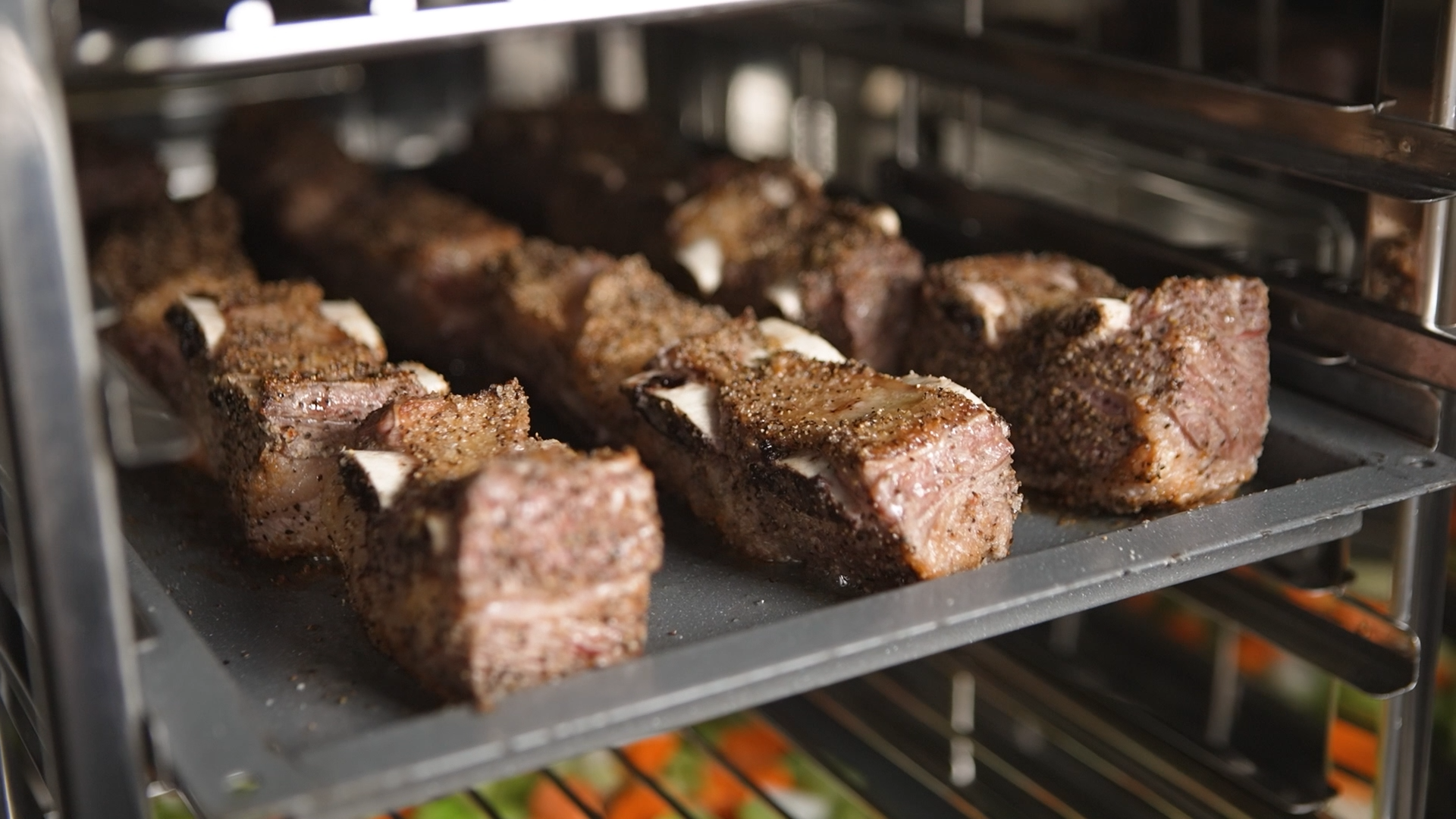
Step 3: Vacuum Seal with Soft Air
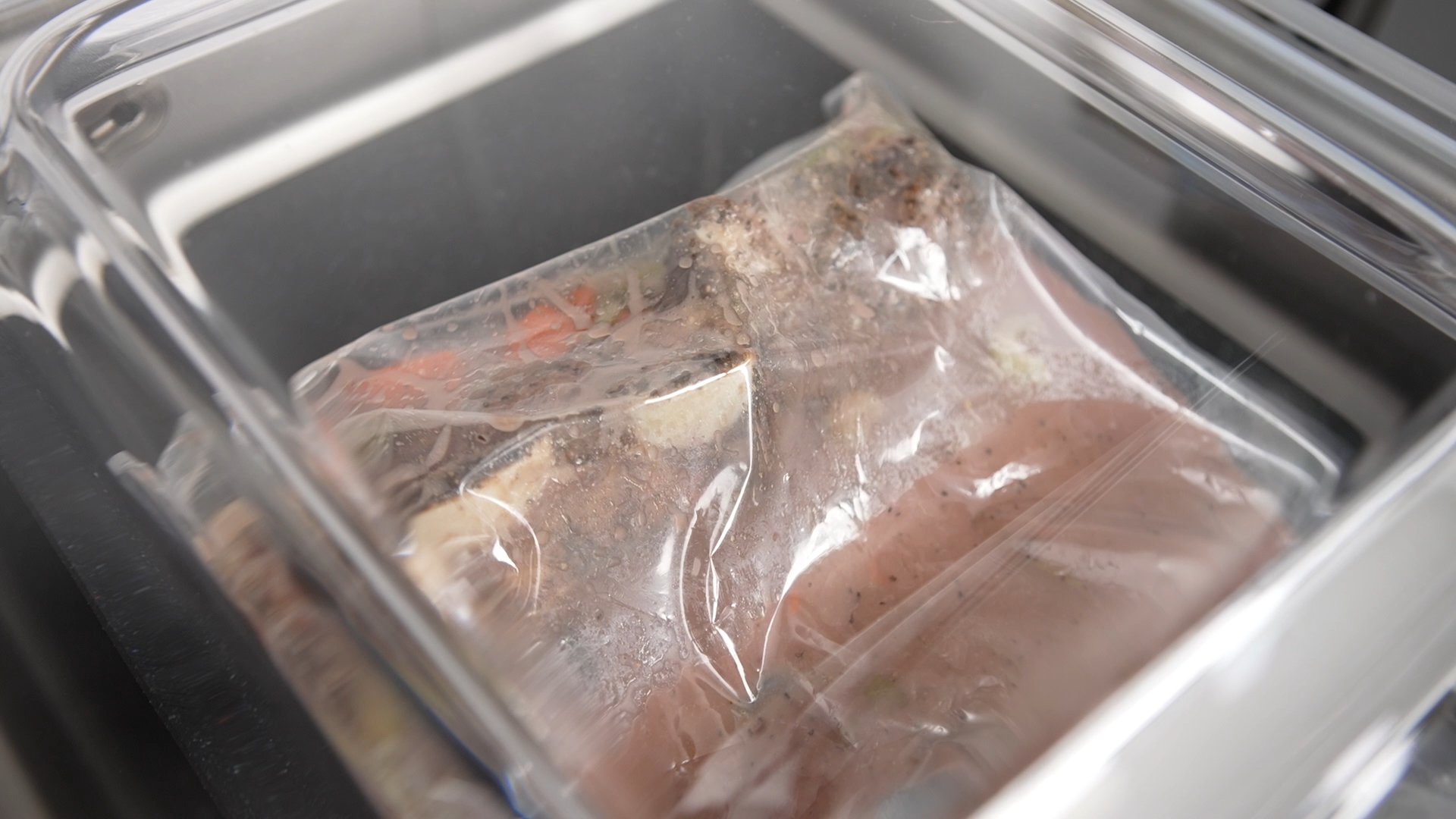
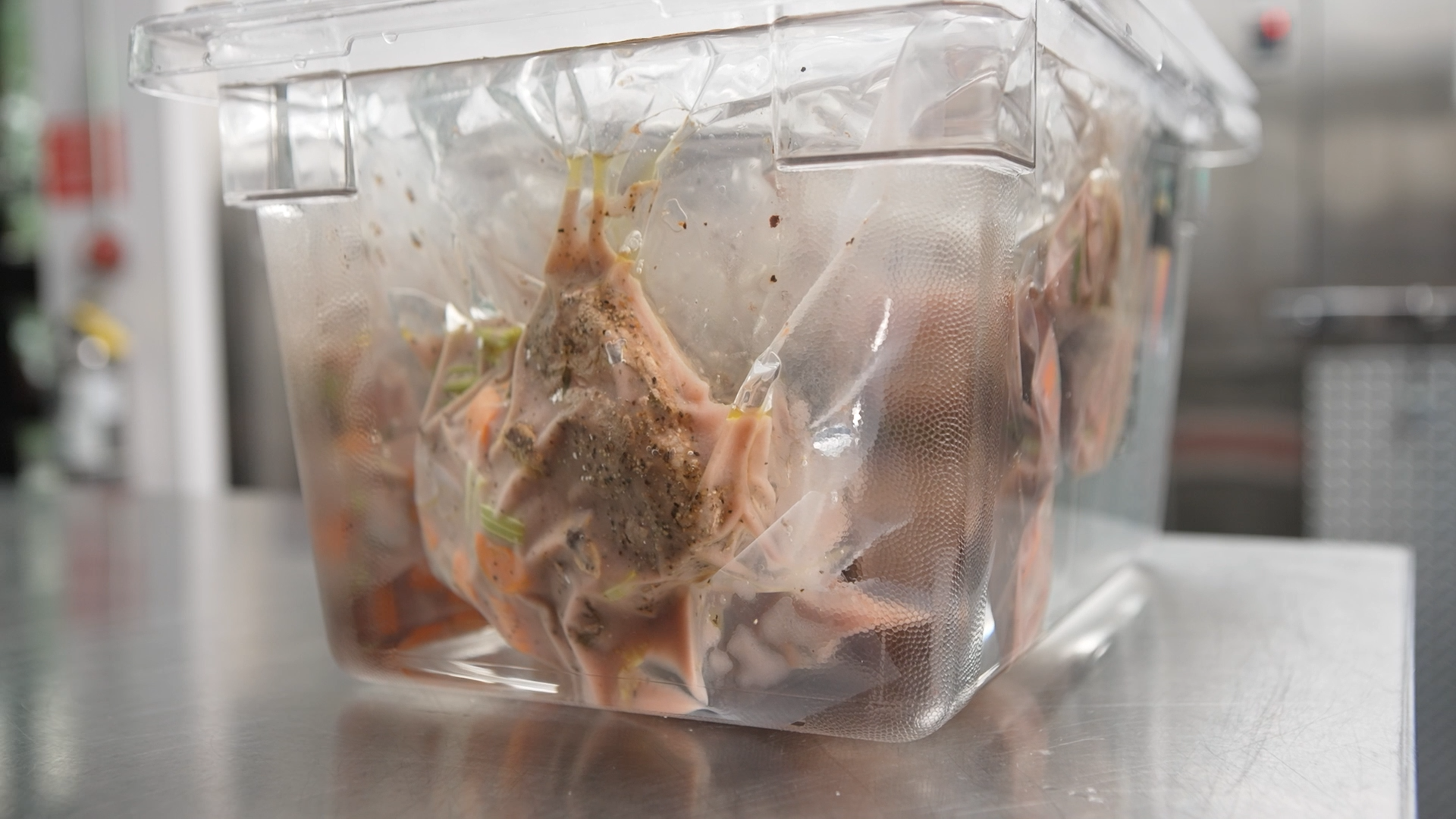
Once the short ribs are chilled, Moore vacuum seals them using the Henkelman sealer with Soft Air. The goal is straightforward: secure the product without allowing the bones to puncture the bag. An intact bag helps retain the cooking liquid and keeps the water bath cleaner. It also helps protect the yield of the finished product by reducing the chance of losing juices during sous vide cooking. For chefs working with bone-in proteins, the right vacuum settings can make a meaningful difference in the reliability of the process.
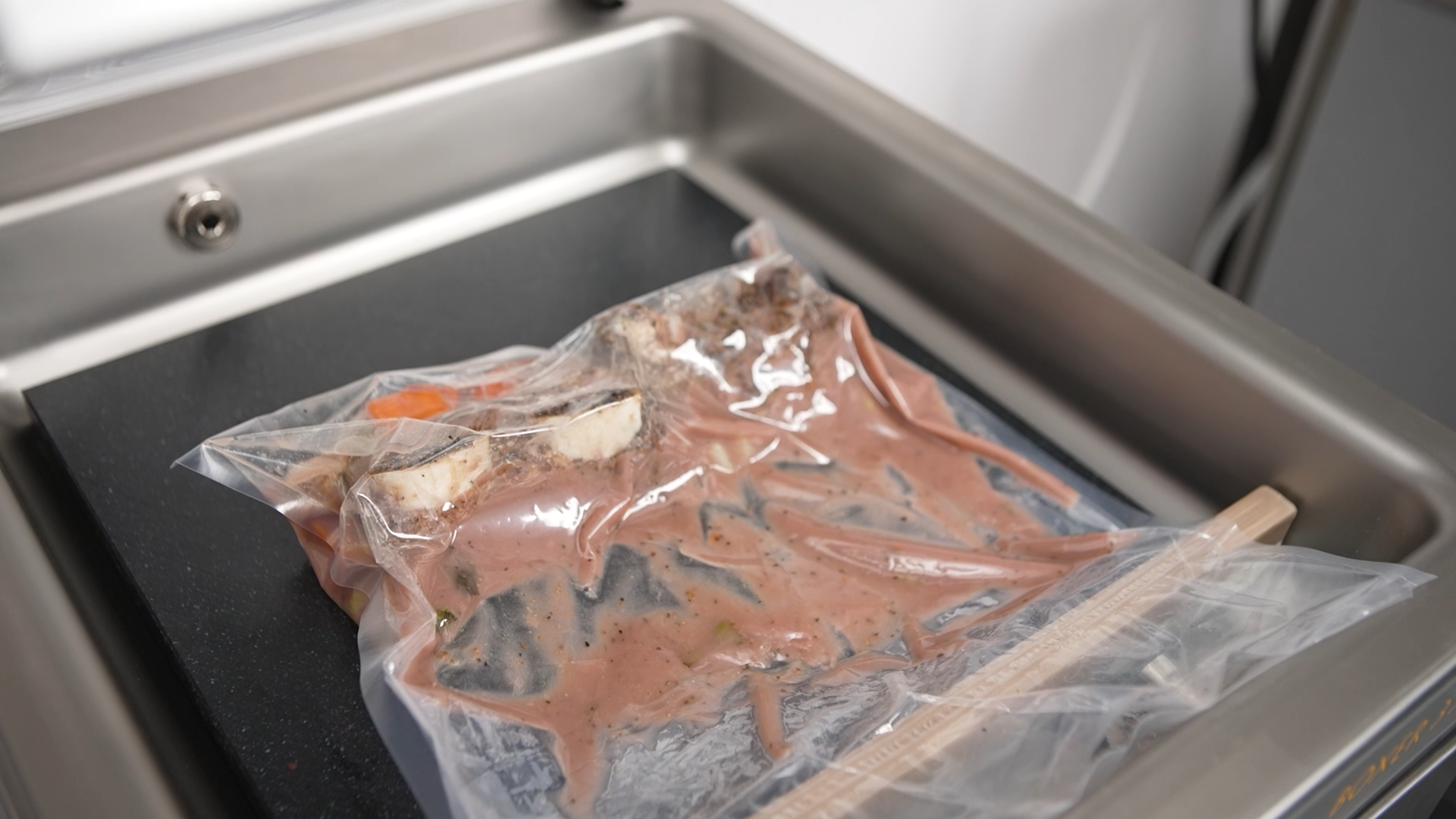
Step 4: Sous Vide for 72 Hours
With the short ribs sealed, Moore moves to the HydroPro Plus sous vide circulator by Breville. For this application, he cooks the short ribs for 72 hours, using the temperature and cooking controls to achieve a juicy result with minimal shrinkage. He also highlights the sous vide toolbox, which allows adjustments based on variables such as temperature and product size. The combination of careful packaging and controlled cooking gives the kitchen a repeatable process for preparing short ribs ahead of service.
More Than a Short Rib Recipe: Building a More Efficient Kitchen Workflow
The short ribs are just one part of Moore’s broader approach to kitchen efficiency. Each piece of equipment serves a specific purpose, helping the team get more from its time, ingredients and preparation.
- Rational iCombi Pro: Sear multiple trays of short ribs and prepare parsnips efficiently.
- Irinox MultiFresh Next: Rapidly chill product so prep can continue without unnecessary delays.
- Henkelman vacuum sealer: Package bone-in short ribs using Soft Air to help prevent bag punctures.
- HydroPro Plus: Maintain controlled sous vide cooking for a consistent result.
- Breville Control Freak: Hold the parsnip purée at 180°F with medium intensity to help prevent burning and splattering.
Moore also looks for ways to reduce food waste. When preparing the parsnips, he steams the vegetables while drying the skins for use as a garnish. One ingredient serves multiple purposes, adding value while reducing what gets thrown away.
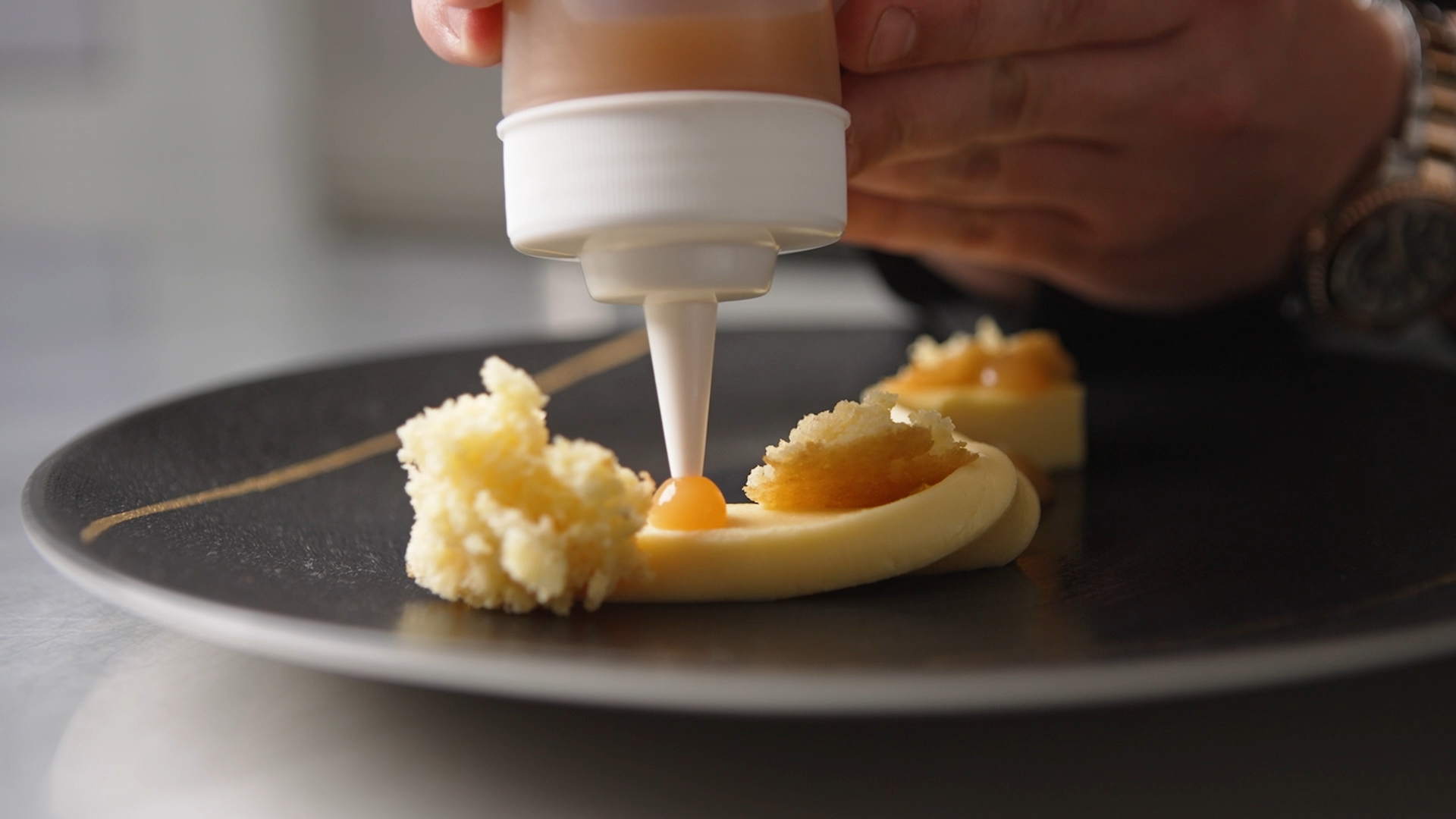
The finished dish brings everything together: bone-in sous vide short ribs served over parsnip purée with fresh radish, herbs and crispy parsnip.
Why Vacuum Sealing Matters for Sous Vide
Vacuum sealing is more than a packaging step in a sous vide workflow. When used correctly, it helps chefs prepare food in advance, retain cooking liquids and establish repeatable production processes. For bone-in cuts, choosing appropriate vacuum settings is especially important. Features such as Henkelman’s Soft Air can help reduce the risk of bag damage, while rapid chilling and controlled sous vide cooking support a more organized approach to batch preparation.
The result is a workflow designed to help professional kitchens protect product, manage labor and serve consistent dishes.
Watch Chef Lamar Moore demonstrate the process to see how vacuum sealing fits into his bone-in short rib preparation.