
How Vacuum Technology Helps Create Clear, Smooth Fluid Gels
The Challenge: Removing Air From a Fluid Gel
In modern professional kitchens, precision equipment can do more than cook, chill or preserve food. It can also help chefs achieve specific textures, appearances and levels of consistency that can be difficult to achieve through manual processes alone.
Chef Brad Kilgore uses vacuum technology for one such application: removing air bubbles from a peach fluid gel to create a clearer, smoother finished product.
The Henkelman vacuum sealer is only one part of the process. Brad combines it with a Rational iCombi Pro oven, Breville Control Freak and Irinox MultiFresh Next to precisely control temperature, cooking and cooling throughout the preparation.
The result is an example of how vacuum technology can become a precision tool in a chef's creative process—not simply a way to package food.
The Challenge: Removing Air From a Fluid Gel
For Chef Brad Kilgore, achieving a smooth and clear fluid gel starts with controlling the preparation from the beginning.
He combines peach puree with sugar, agar-agar, citric acid and sea salt, heating the mixture to 210°F to properly hydrate the ingredients. He then rapidly cools the mixture in an Irinox MultiFresh Next before blending it until smooth. But blending introduces another challenge: air bubbles. For the clearest fluid gel possible, Brad needs to remove that trapped air. That'swhere the vacuum sealer becomes an important part of the process.
Using the Henkelman Compact Function to Remove Air Bubbles
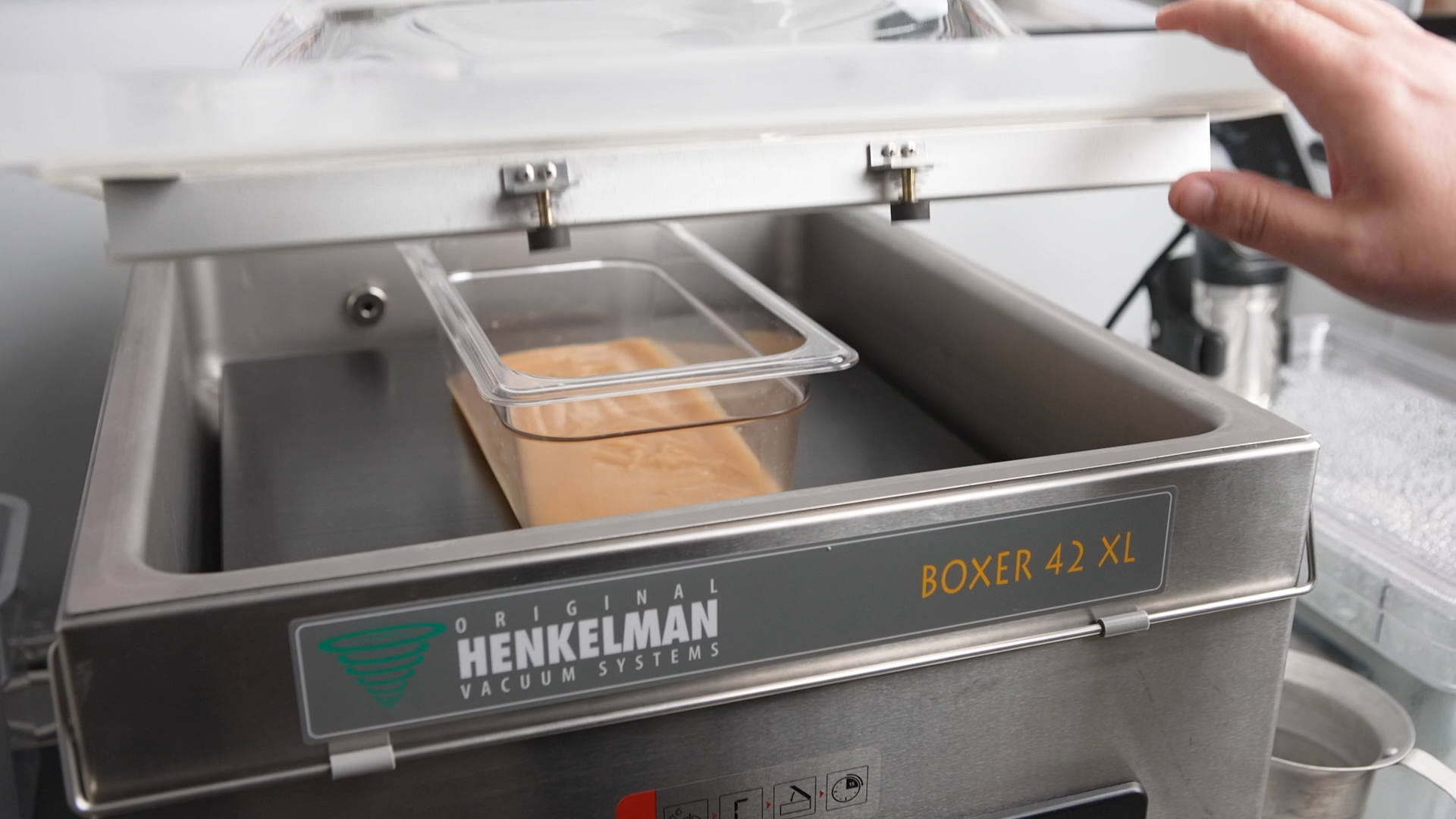
Brad places the prepared fluid gel into a Henkelman vacuum sealer and uses the Compact function. Rather than using the machine simply to package the ingredient, he uses the vacuum process to draw air bubbles out of the fluid gel.
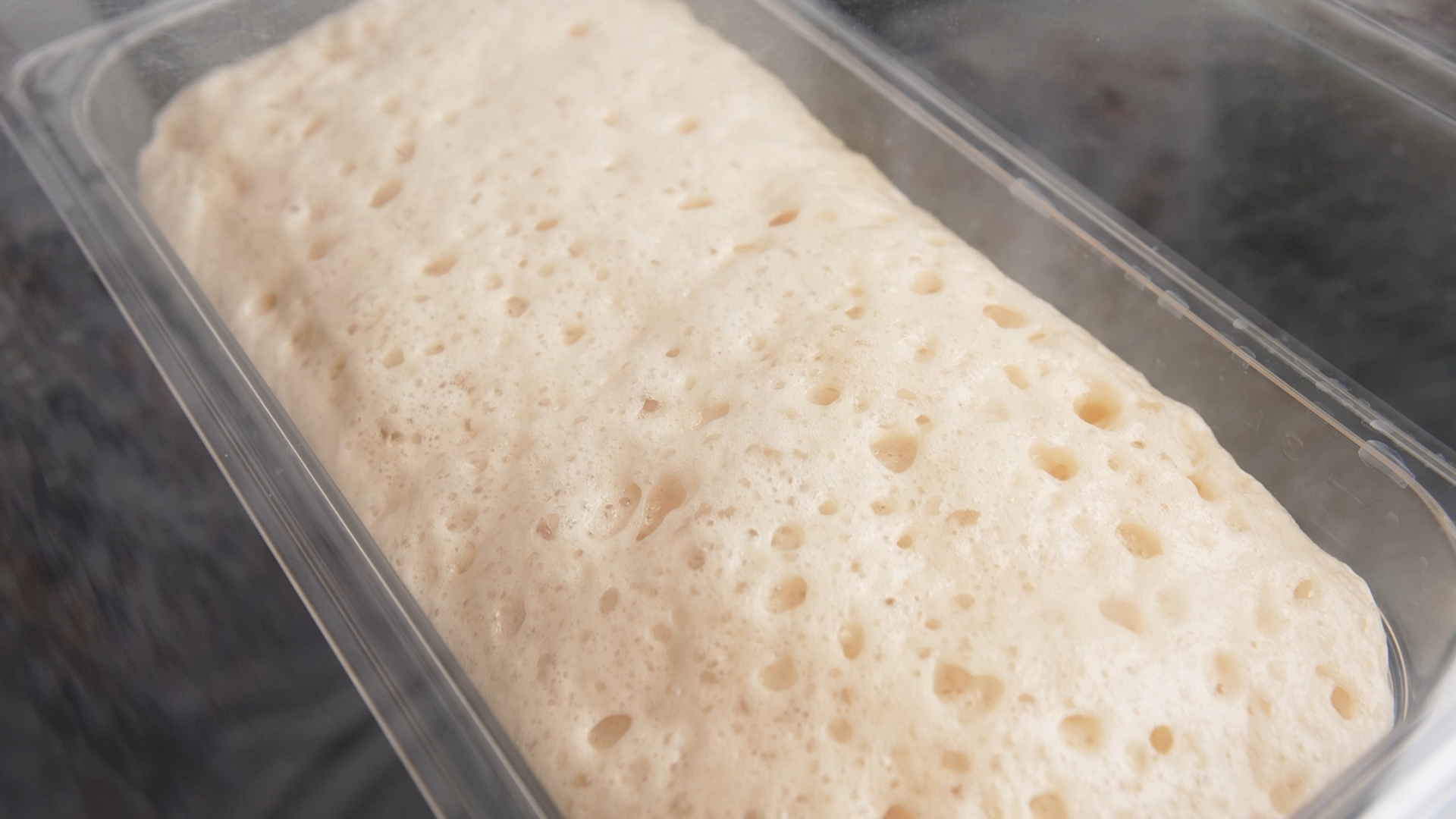
Brad runs the Compact function twice to make sure the bubbles have been removed and the sauce reaches the clarity he is looking for. This is a good example of how a chamber vacuum sealer can be used as a culinary processing tool.
The objective isn't preservation. It's control over the appearance and texture of the finished ingredient.
Building the Fluid Gel
The vacuum process is part of a larger sequence.
Brad starts with fresh peaches, gently blending them to create a peach puree. He combines the puree with sugar, xanthan gum, citric acid, heavy cream and fresh eggs to create a preparation similar to a traditional curd, with gelatin providing additional flexibility. The preparation then moves through several pieces of precision equipment.
Step 1: Precise Cooking
Brad uses the Control Freak's probe to ensure the fluid gel ingredients reach the required temperature accurately. The mixture is heated to 210°F to hydrate the ingredients properly.
Step 2: Rapid Cooling
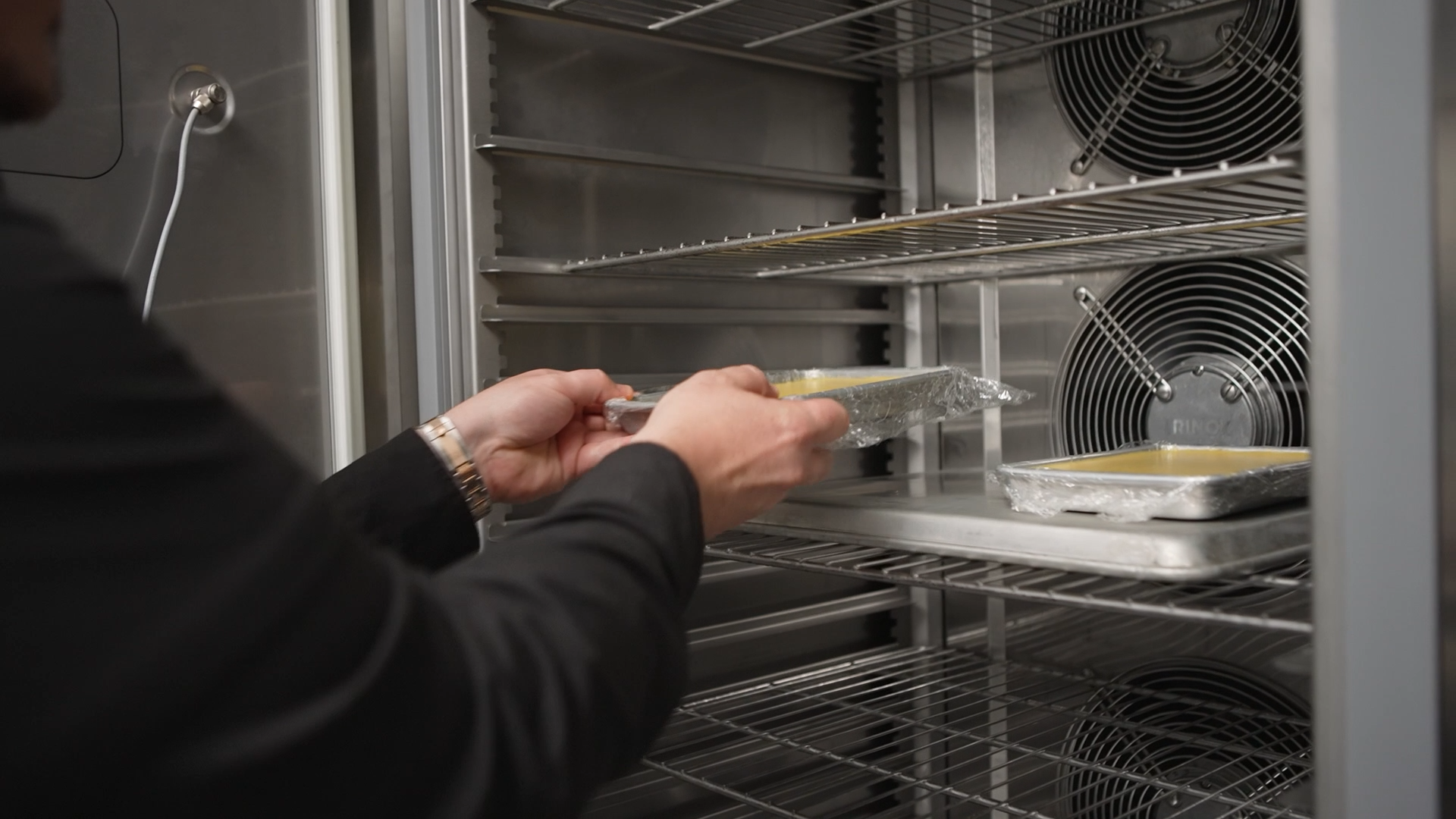
Once hydrated, the fluid gel is placed in the Irinox MultiFresh Next to cool as quickly as possible. Rapid cooling is also used later in the preparation of the curd because Brad says cooling quickly is important to achieving the desired final texture.
Step 3: Blending
After the gel sets, it is blended until smooth. This is where air can become an issue.
Step 4: Vacuum Processing
The prepared fluid gel is placed in the Henkelman vacuum sealer. Brad uses the Compact function twice to remove the air bubbles and achieve the clarity he wants.
Vacuum Technology as a Culinary Tool
This application demonstrates an important distinction between vacuum sealing for preservation and using vacuum technology as part of food preparation. In this case, the goal is not primarily to extend shelf life or package the fluid gel.
The goal is to change the physical characteristics of the preparation by removing unwanted air.
For chefs working with sauces, gels, purees and other preparations where appearance matters, removing trapped air can become an important part of achieving the desired finished product.
Brad's application is also an example of how precision equipment can help reduce variables in a professional kitchen.
Instead of relying entirely on manual techniques to achieve the same result, the chef can incorporate a repeatable vacuum process into the recipe.
Precision Across the Entire Process
The Henkelman vacuum sealer is one component of a larger precision-driven workflow. Brad uses the Rational iCombi Pro to cook the cornmeal cake and kataifi while controlling temperature, humidity and cooking time. He uses the Control Freak probe for accurate temperature control and the Irinox MultiFresh Next for rapid cooling. The same philosophy carries through to the vacuum process.
Each piece of equipment addresses a different part of the preparation:
Control Freak
Precise temperature control during preparation.
Irinox MultiFresh Next
Rapid cooling to help control the final texture.
Henkelman Vacuum Sealer
Removal of air bubbles from the fluid gel.
Rational iCombi Pro
Controlled cooking with temperature, fan and humidity adjustments.
The equipment doesn't replace the chef's decisions. It gives the chef greater control over executing them. From Technique to Repeatable Process. For a professional kitchen, repeatability can be just as important as creativity.
Brad explains that his goal in using modern technology is to eliminate human error and achieve consistency and accuracy, with the intention that the finished product comes out the same way every time. The fluid gel is a good example. The chef determines the desired result—smooth, clear and free of visible air bubbles. The equipment then provides controlled steps that can be incorporated into the preparation. That makes the technique easier to reproduce and integrate into a professional kitchen workflow.
Chef Brad Kilgore's Peach Fluid Gel
Application: Peach fluid gel
Henkelman function: Compact
Primary purpose: Remove air bubbles
Process: Cook → cool → blend → vacuum process
Other equipment: Rational iCombi Pro, Irinox MultiFresh Next and Breville Control Freak
Desired result: A smooth, clear fluid gel
Chef Brad Kilgore demonstrates how he incorporates the Henkelman vacuum sealer into his preparation of a curd dessert with peach fluid gel.
Frequently Asked Questions
Can a vacuum sealer be used to remove air bubbles from sauces and gels?
Chef Brad Kilgore demonstrates using a Henkelman vacuum sealer to remove air bubbles from a peach fluid gel. The application illustrates how vacuum technology can be used as part of food preparation rather than solely for packaging.
Why does removing air matter in a fluid gel? For Brad's application, removing air bubbles helps him achieve a clearer finished fluid gel. The vacuum process is therefore being used to improve the appearance of the preparation.
What other equipment does Brad Kilgore use in this preparation? Brad uses a Rational iCombi Pro, Breville Control Freak and Irinox MultiFresh Next alongside the Henkelman vacuum sealer. Each piece of equipment performs a different role in controlling the preparation.
A Different Way to Think About Vacuum Technology
Vacuum sealing is often associated with preservation, storage and sous vide cooking. Chef Brad Kilgore's peach fluid gel demonstrates another possibility. By incorporating vacuum technology into the preparation itself, a chef can use it to help achieve a specific visual and textural result. It's a small but useful example of a larger idea: precision equipment gives chefs more control over the variables that influence the final dish. For Brad, removing air from the fluid gel is one step in a larger process designed around accuracy, consistency and creativity.