January 4, 2024
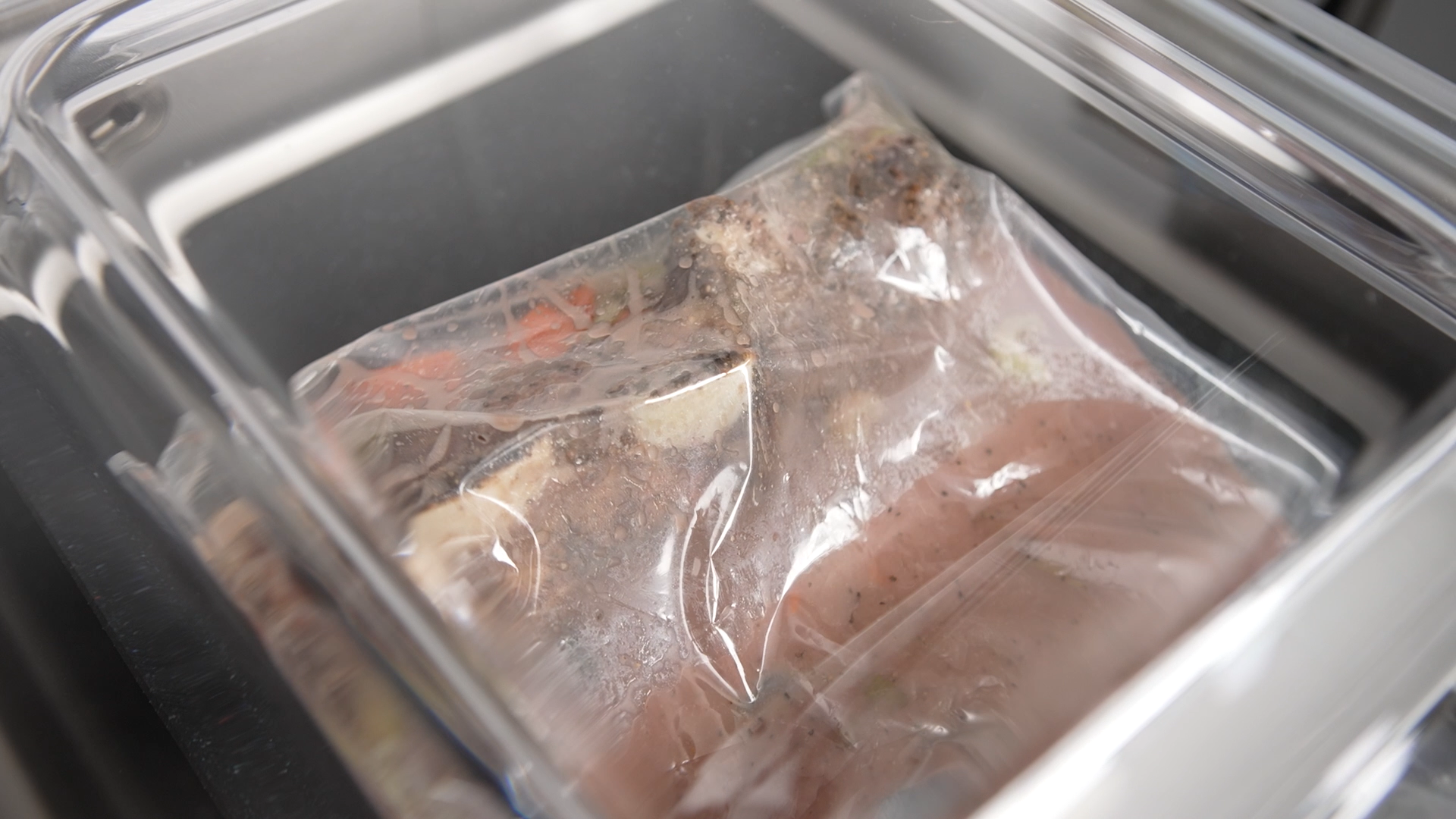
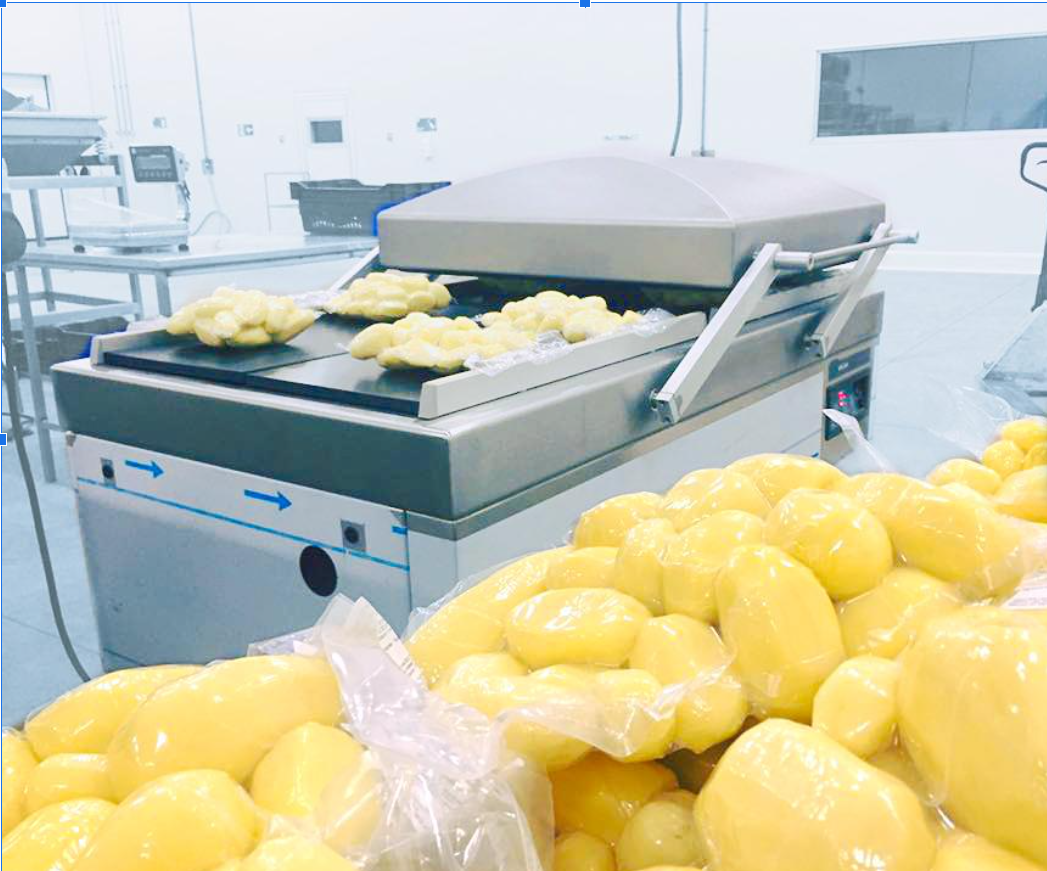
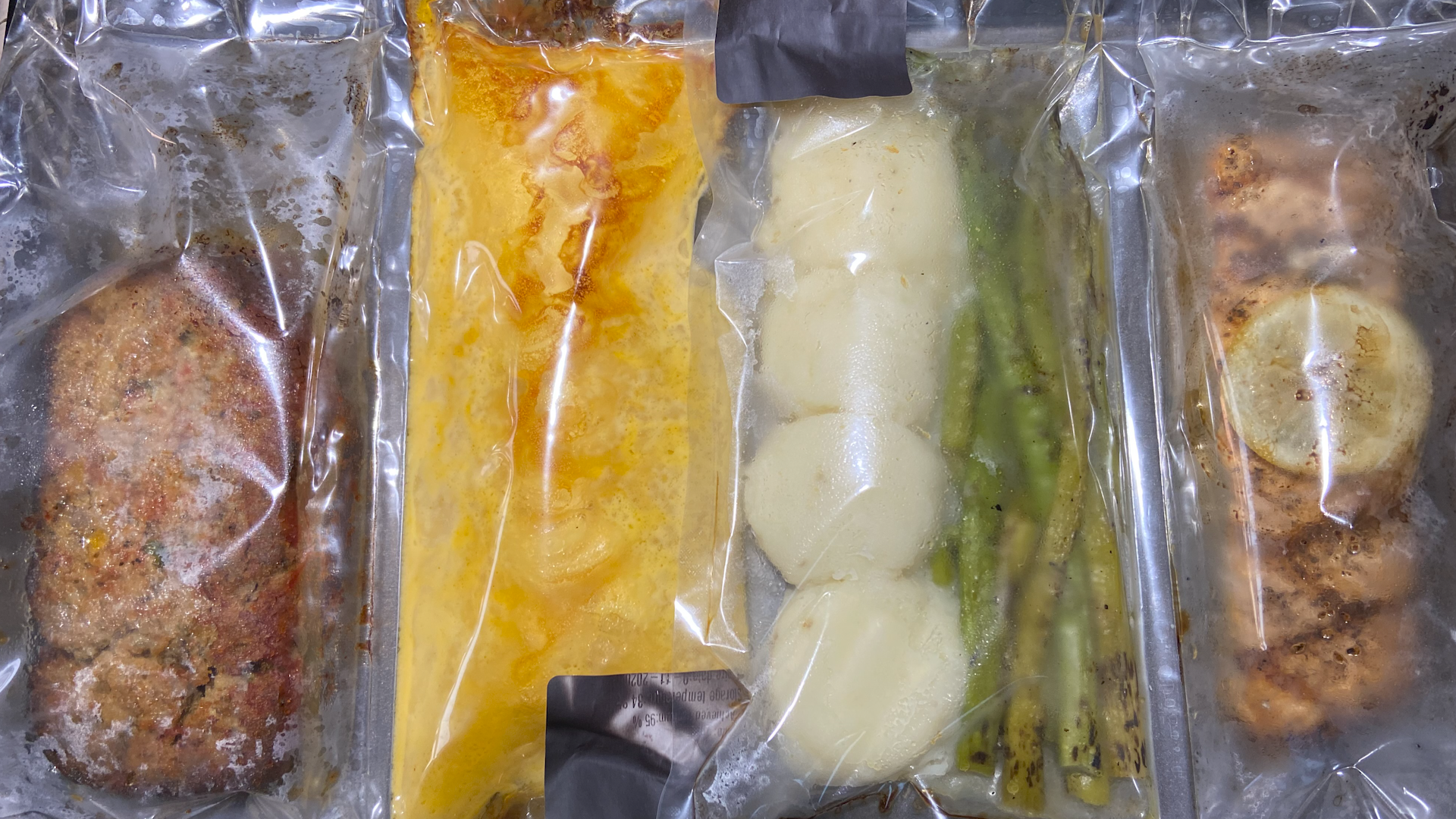
Not all plastic is bad??!! Why do vacuum bags play an important role in reducing food waste. According to data from the United States Department of Agriculture (USDA), an unsettling 40% of food produced annually ends up in the trash. This equates to approximately 36 million tons of food, with a staggering monetary value of $162 billion per year. The majority of this waste is due to spoilage, often within the retail and household sectors. Further, the implications of food waste extend beyond mere economic repercussions. Spoiled food releases methane, a greenhouse gas more potent than carbon monoxide. The resources wasted in the process - water for cultivation, fuel for transportation - exacerbate the environmental impact. Therefore, it is in everyone's best interest to pinpoint effective strategies to minimize food waste. One such strategy lies in the choice of packaging. Packaging: The Silent Hero in Food Preservation Contrary to popular belief, food packaging plays a significant role in combating food waste. Plastic packaging, for instance, contributes substantially to the reduction of food spoilage by providing a physical shield against environmental factors that speed up spoilage. This barrier prolongs the shelf life of food products. Innovations in packaging, such as oxygen-scavenging additives, can further increase shelf life by actively removing oxygen from the packaged environment. This is particularly important given that food now travels much further before consumption. The right packaging not only protects the food during transport but also provides instructions for correct storage and handling, thereby preserving its contents once in the consumer's hands. Intelligent Packaging: A Key to Reducing Food Waste Intelligent packaging design has the potential to reduce spoilage by anticipating common packaging failures. The best packaging companies can predict the causes of these failures and implement design modifications to safeguard the contents. With the right engineering, it's possible to analyze package damage trends and devise solutions to address these specific issues. The Paradox of Packaging While we often associate packaging with environmental pollution, the paradox is that efficient and responsible use of packaging technology could significantly reduce our food waste. For instance, vacuum packaging that prevents oxidation can ensure that meat stays fresh on shelves for eight to fourteen days, compared to the usual two to four. Not only does this cut down on waste, but it also appeals to consumers. According to Mintel's 'Transparent Food Packaging' report, roughly 40% of US shoppers would opt for a product among competitors if they could clearly see its contents. The Vacuum Packaging Solution Vacuum packaging technology, such as that used by Sainsbury's supermarket has shown noticeable benefits. This packaging extends the shelf life of dairy and meat products, which can now be kept in refrigerators for a longer time, thus reducing waste. While vacuum packaging does contribute to carbon emissions, it importantly reduces the waste of the food product produced. For each ton of waste, the equivalent of 3.5 tons of carbon dioxide are released without any product having been put to good use. Conversely, a ton of packaging results in emissions of 1-2 tons. The Challenges of Vacuum Packaging Like any solution, vacuum packaging is not without its drawbacks. One of the key issues is that it is not as easily recycled as other types of packaging. However, considering the rapidly growing global population, estimated to approach 10 billion by approximately 2050, it's urgent that we find ways to feed these numbers. Reducing the amount of food, we waste is a critical part of this, and vacuum packaging is a step in the right direction. The Future of Food Packaging With the ongoing advancements in packaging technology, it's reasonable to believe that we can overcome the current challenges of vacuum packaging, making it a sustainable solution for the future. The aim is to strike a balance between the environmental impact of packaging and its effectiveness in reducing food waste. Conclusion: Fresh Foods Fresh, Reduce Waste and Over Production of Food In conclusion, vacuum bags play an essential role in keeping our foods fresh, reducing waste, and consequently curbing overproduction of food. By keeping food shelf-stable for two to four times longer in the fridge and for months in the freezer, vacuum bags significantly cut down on food waste. This, in turn, leads to reduced food purchasing and lower overall food production. While there are challenges to overcome, particularly in terms of recycling, the benefits of vacuum packaging technology are making a significant difference in our fight against food waste.